Questions for you:
- When negotiating or competing, do you always signal your responses predictably, or do you recognise situations where calculated unpredictability provides strategic advantage by keeping opponents off-balance?
- When looking at conflicts or negotiations, do you distinguish between contexts in which predictable, proportional responses enable cooperation and those in which unpredictability prevents exploitation?
- When facing stronger opponents, do you consider whether introducing unpredictability could level the playing field by reducing the outcome to chance?
- In assessing leaders who project volatility and unpredictability, do you recognise when this might be a deliberate strategy rather than incompetence or instability?
Organisational applications:
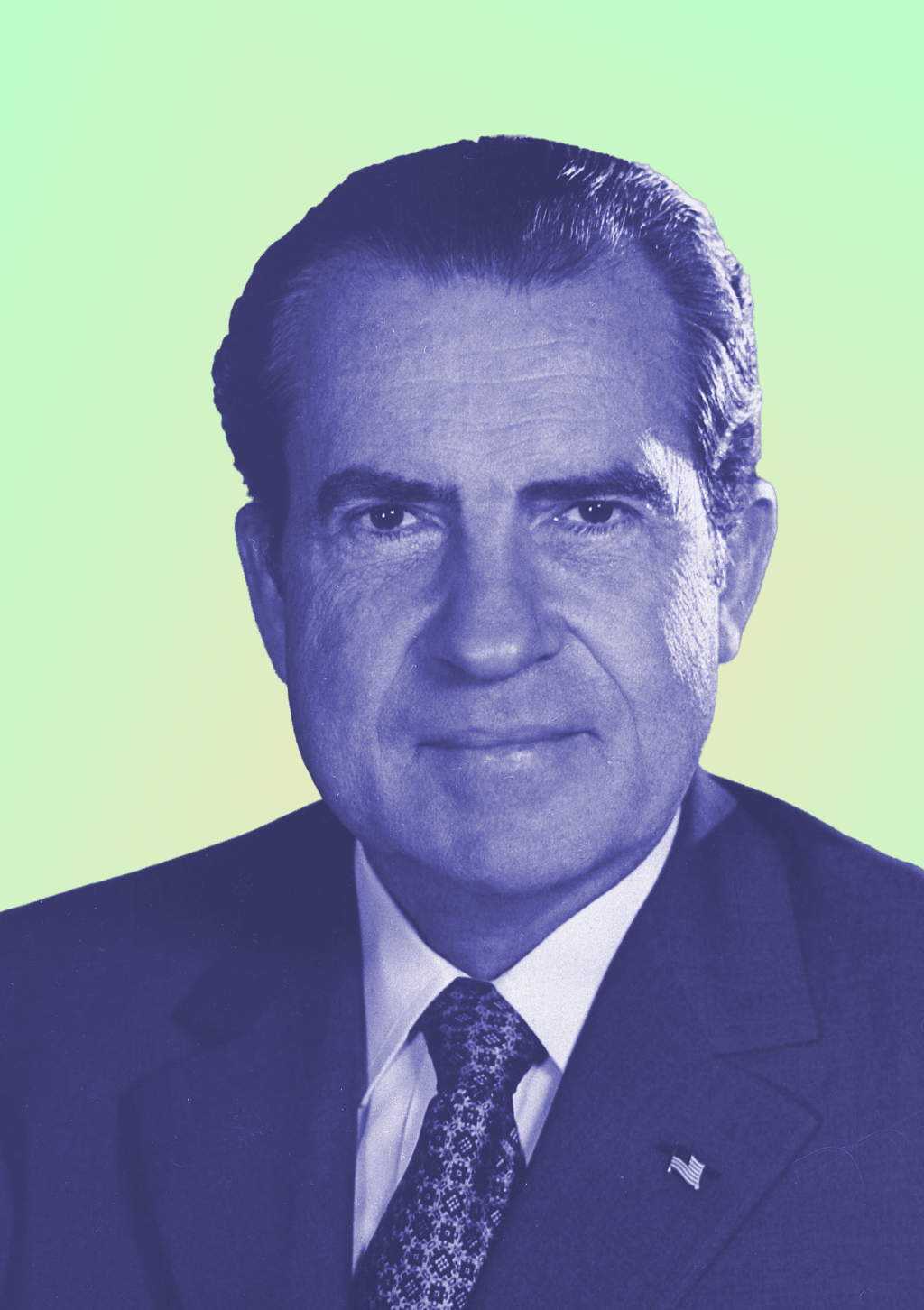
Strategic unpredictability in competitive contexts: In conflicts, opponents typically respond proportionally, creating predictable escalation cycles. Nixon’s “Madman Theory” – appearing volatile so that conventional expectations don’t apply – kept adversaries off balance, unable to assess the consequence of their decisions. While haphazard, could you apply this to competitive negotiations, market responses, and pricing strategies?
Randomised responses prevent pattern exploitation: Predictable thresholds let sophisticated opponents probe limits safely. “Lock account after three failed attempts” means that the first two attempts are risk-free. Randomise triggers: for example a 20% chance of responding after the first attempt, 50% after the second, and only 90% after the third. Apply to audit schedules, penalty severity, and enforcement timing. The psychological impact amplifies the practical effect – unpredictable consequences increase the perceived risk and deter malicious attempts that would succeed against predictable defences.
Consider when predictability is essential: Unpredictability works against opponents, but it can catastrophically harm cooperative relationships. Parents with random decisions create anxious children unable to learn rules. Leaders with arbitrary responses generate defensive behaviour in their teams. Use a method of unpredictability against competitors; maintain consistency with those you lead, those who depend on you, and anyone who requires trust.
Be mindful of the limits and risks of unpredictability: The effectiveness of Nixon’s Madman Theory is still debated today – with much of the evidence remaining classified. It carries significant risks, others may treat you as genuinely unstable, unable to de-escalate after an intended bluff and unable to co-ordinate with allies and colleagues. Before employing this method: ensure that you in a genuinely competitive context that does not require cooperation, while maintaining a private predictability with allies, establishing clear red lines. Ensure that you recognise this as a high-risk strategy unsuitable for routine situations.
Further reading
Strategy, game theory, and unpredictability
- The Strategy of Conflict by Thomas C. Schelling – foundational game theory work exploring strategic unpredictability, demonstrating how appearing irrational or volatile can provide negotiating advantages by limiting opponent’s options.
- Thinking Strategically by Avinash K. Dixit and Barry J. Nalebuff – accessible game theory showing when unpredictable strategies prevent opponents from exploiting patterns, including discussion of randomised approaches in competitive situations.
- The Art of Strategy by Avinash K. Dixit and Barry J. Nalebuff – game theory applications showing how strategic unpredictability forces opponents to consider scenarios they cannot calculate or control.
Nixon, Kissinger, and Cold War strategy
- Kissinger by Walter Isaacson – biography including detailed coverage of Nixon-Kissinger strategic use of unpredictability in Vietnam War and Soviet negotiations.
- On China by Henry Kissinger – Kissinger’s own account of diplomatic strategy including discussion of calculated unpredictability and signalling in international relations.
Predictability, trust, and authority relationships
- The Leadership Challenge by James M. Kouzes and Barry Z. Posner – demonstrates why leaders require consistency and predictability to build trust, showing when unpredictability damages rather than strengthens position.
- Dare to Lead by Brené Brown – explores how unpredictable leadership creates psychological unsafety, contrasting situations requiring consistency versus strategic unpredictability.
- Thinking in Bets by Annie Duke – poker champion showing strategic contexts where unpredictability prevents exploitation versus contexts requiring reliable patterns for effective coordination.
About the image
I, for one, miss the days when American Presidents were only as mad as Richard Nixon.
Photo: https://en.wikipedia.org/wiki/Richard_Nixon#/media/File:Richard_Nixon_presidential_portrait_(1).jpg
Photo montage by Matt Ballantine, 2026
 Random the Book
.jpg)